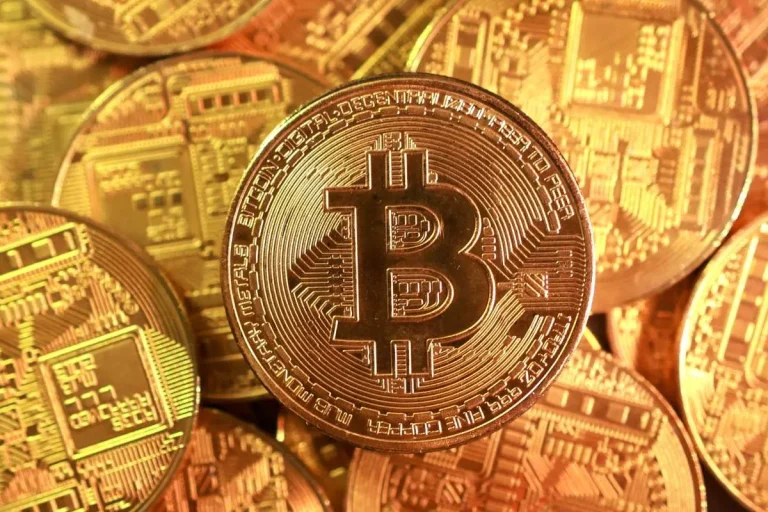
Seized from Samourai Wallet, U.S. Government Still Holds Bitcoin Worth Rp 107,7 Billion

berbagiberkat.com – In a development that continues to draw attention across both legal and cryptocurrency communities, the United States government remains in possession of Bitcoin valued at approximately Rp 107,7 billion after it was seized from a Samourai Wallet. The situation highlights the increasing intersection between digital asset regulation, law enforcement, and the evolving landscape of cryptocurrency use worldwide.
The Bitcoin in question was confiscated as part of a broader investigative effort targeting illicit activities involving digital currencies. Samourai Wallet, known for its strong focus on user privacy and advanced coin-mixing services, has often been the subject of scrutiny due to its potential use in obscuring transaction histories. While privacy tools play a legitimate role in protecting civil liberties for everyday users, they can also draw interest from authorities when linked to unlawful behavior.
After seizure, the U.S. government retained custody of the Bitcoin rather than immediately auctioning or liquidating the assets. This retention raises important questions about how law enforcement agencies manage digital currencies recovered during investigations. Traditionally, authorities have disposed of confiscated assets through public auctions, commonly selling items ranging from real estate to luxury vehicles. In the case of cryptocurrencies, however, the market’s volatility and the unique technical complexities demand a more nuanced approach.
Holding onto seized Bitcoin may be driven by several strategic considerations. First, law enforcement agencies might be waiting for a more favorable market condition before converting the assets to fiat currency. Bitcoin’s price can be highly unpredictable, influenced by macroeconomic trends, regulatory announcements, and broader investor sentiment. Timing the sale could significantly impact the final value recovered for the government.
Second, retaining the Bitcoin allows for ongoing legal processes linked to the case. If litigation or appeals are still underway, the government may be obligated to preserve the asset until all judicial avenues are concluded. This ensures that any eventual distribution—whether it be restitution, forfeiture, or auction—occurs within a legally sound framework.
The case also underscores the broader challenge that privacy-focused technologies pose to regulators and law enforcement. Tools like Samourai Wallet, while designed to enhance financial privacy, can complicate investigations when malicious actors exploit these features to conceal the origins and destinations of funds. Striking a balance between protecting user privacy and preventing misuse remains a contentious discussion among policymakers and technologists alike.
Cryptocurrency advocates, on the other hand, argue that privacy tools are essential in a digital age where financial data can be easily surveilled. They caution against sweeping regulatory measures that might inadvertently stifle innovation or erode individual freedoms. For many in the crypto space, the Samourai Wallet case serves as a reminder of the tension between privacy rights and regulatory compliance.
The U.S. government’s decision to hold rather than immediately dispose of Bitcoin also influences public perception of how digital assets are treated within legal systems. It implies a level of institutional recognition of cryptocurrencies as significant economic assets, on par with more traditional forms of property subject to seizure and management.
As the situation continues to unfold, observers will be watching closely—not only for legal outcomes related to the original investigation, but also for insights into how governments handle digital currencies at the intersection of law, technology, and finance. The case may set precedents for future seizures, asset management strategies, and regulatory frameworks surrounding cryptocurrencies worldwide.
Ultimately, the retention of Bitcoin valued at Rp 107,7 billion by the U.S. government reflects both the growing significance of digital assets and the complexities that arise when these assets intersect with law enforcement responsibilities in an increasingly digital financial era.
About the Author