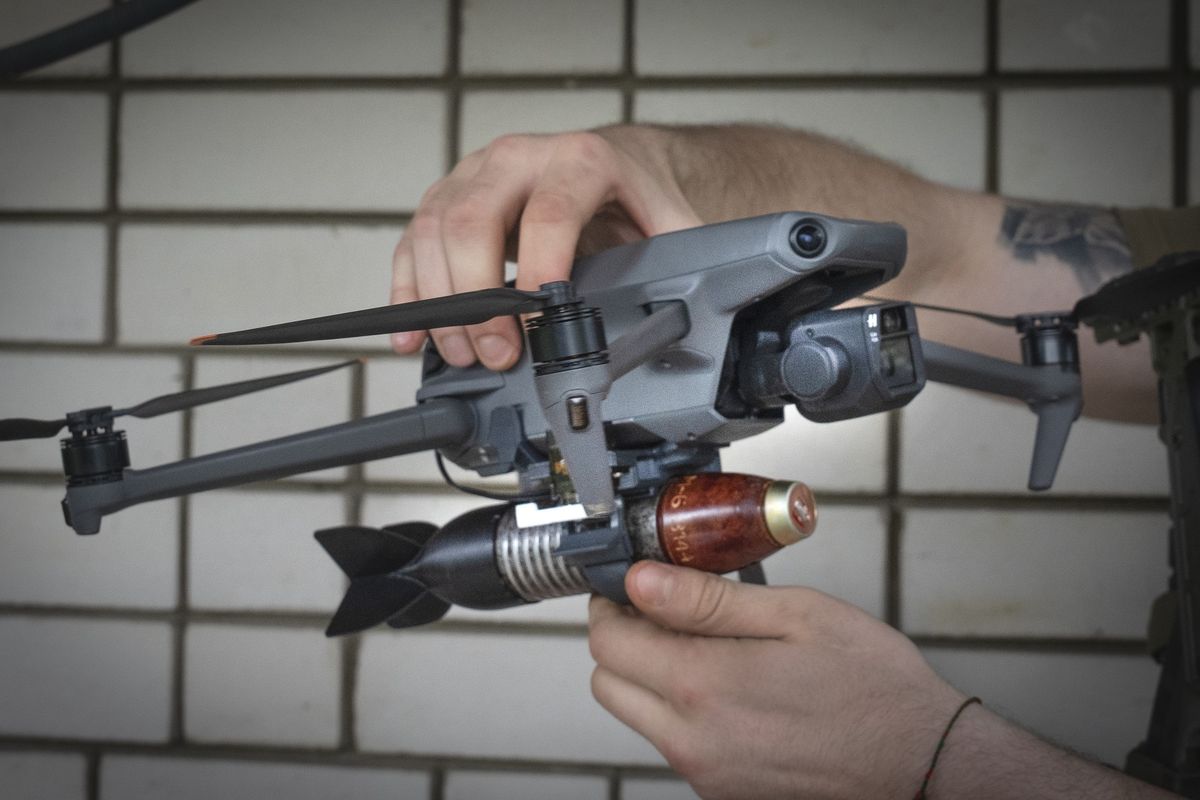
berbagiberkat.com – In a dramatic escalation of rhetoric amid fragile peace efforts, Russia accused Ukraine on December 29, 2025, of launching a massive drone assault involving 91 long-range drones targeting one of President Vladimir Putin’s official residences in the Novgorod region, northwest of Moscow. Russian Foreign Minister Sergei Lavrov described the alleged incident as a “terrorist attack” on the Valdai presidential residence (also known as Dolgiye Borody), claiming all drones were intercepted and destroyed by air defenses with no damage or casualties. Lavrov stated that the attack occurred overnight from December 28-29 and vowed that Russia would review its negotiating position in ongoing peace talks while preparing retaliatory strikes.
Ukraine swiftly and emphatically rejected the accusations, labeling them a “complete fabrication” designed to justify further aggression and sabotage diplomatic progress.
Ukraine’s Official Response
Ukrainian President Volodymyr Zelenskyy dismissed the Russian claims as “typical Russian lies,” accusing Moscow of inventing the story to undermine recent positive talks with the United States and provide a pretext for new attacks on Ukrainian cities, including potential strikes on government buildings in Kyiv.
Foreign Minister Andrii Sybiha echoed this on X (formerly Twitter), stating: “Ukraine strikes only legitimate military targets in Russian territory. The fabricated Russian claims… are only made as a pretext and false justification for Russia’s further attacks against Ukraine, as well as to undermine and impede the peace process.” He noted that nearly a day after the accusation, Russia had provided no evidence.
Zelenskyy highlighted the timing: The alleged attack came just after productive discussions in Florida between Ukrainian and U.S. representatives, suggesting Russia was unwilling to pursue genuine peace.
Context and International Reactions
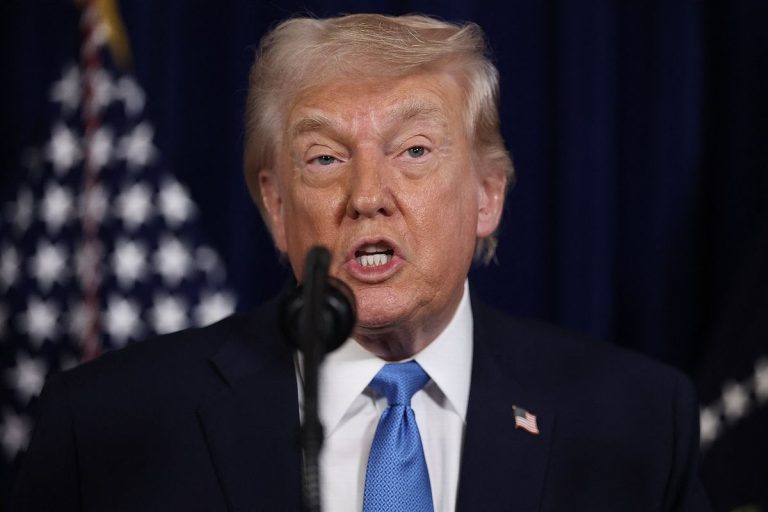
The accusation surfaced during a phone call between Putin and U.S. President Donald Trump, where Putin reportedly informed Trump of the incident, prompting Trump to express outrage. Kremlin aide Yuri Ushakov claimed the strike happened “practically immediately after” U.S.-mediated talks, implying it influenced Russia’s stance on negotiations.
No independent evidence—such as photos, videos, or satellite imagery—has been presented by Russia to support the claim. Analysts and Western officials have expressed skepticism, noting the lack of verifiable proof and the pattern of Russian disinformation to justify escalations.
The incident has dented hopes for near-term peace, with Russia signaling a tougher position while continuing heavy strikes on Ukrainian infrastructure.
Broader Implications
This episode underscores the fragile state of diplomacy in late 2025, as indirect talks involving the U.S. aim to end the nearly four-year conflict. Ukraine maintains it only targets military objectives, while Russia uses such claims to rally domestic support and pressure negotiators.
As of December 30, 2025, tensions remain high, with both sides trading accusations amid ongoing military actions. The international community watches closely, urging de-escalation and evidence-based dialogue.
Ukraine’s firm denial highlights its commitment to legitimate defense while accusing Russia of propaganda. In a war defined by information battles as much as battlefield ones, such claims risk further complicating efforts toward a lasting resolution.
About the Author