Fearing Renewed Attacks from Israel and the US, Iran Intensifies Missile Drills
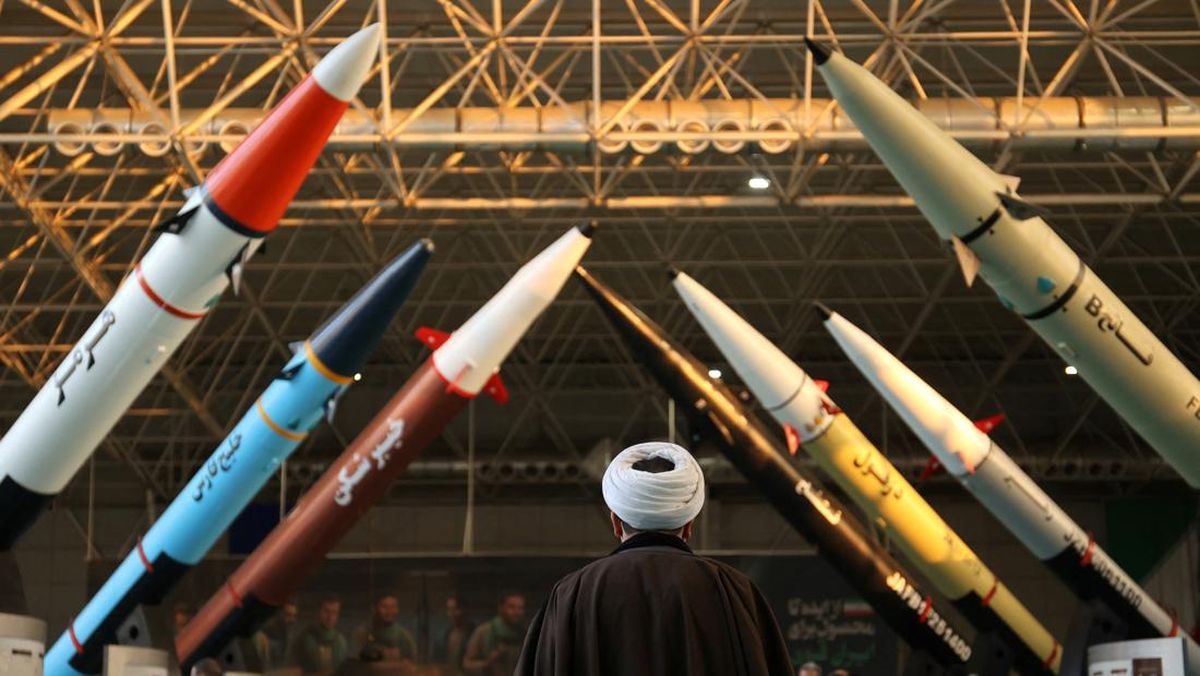
berbagiberkat.com – Iran’s recent surge in missile exercises has captured global attention, intensifying concerns that the country may be preparing for potential military confrontations with Israel and the United States. Against a backdrop of long-standing regional tensions, Tehran’s actions reflect both strategic signaling and preparation, raising questions about stability in the Middle East and the broader implications for international security.
In recent months, Iran has conducted numerous missile drills across various parts of its territory. These exercises feature a wide array of ballistic and cruise missiles, with reported improvements in range, precision, and deployment tactics. Iranian officials have framed these drills as defensive measures, asserting that they are intended to safeguard national sovereignty and deter possible aggression from adversaries. However, the scale and frequency of these activities have drawn scrutiny from international observers, many of whom interpret them as a show of strength.
For years, Iran’s relationship with Israel and the United States has been fraught with hostility. Tehran’s support for proxy groups in the region, combined with disputes over nuclear ambitions, has fueled a climate of mistrust. Israeli leaders have consistently cited Iran’s military capabilities as a major threat, while the United States has imposed sweeping sanctions and maintained a robust military presence in the Gulf. In this context, Iran’s intensified missile training could be seen both as a response to perceived threats and as a strategic deterrent aimed at discouraging preemptive strikes.
Missile capability is a central pillar of Iran’s defense strategy. While the country’s conventional military may not match the technological sophistication of Western powers, its missile arsenal offers a formidable and relatively cost-effective deterrent. By enhancing its missile readiness, Iran seeks to complicate any adversary’s calculations, ensuring that any military action against it would carry significant risk. This posture underscores Tehran’s belief that strength and preparedness reduce the likelihood of conflict, rather than provoke it.
Nevertheless, the optics of these exercises have unsettled many regional and global policymakers. Israel, which views Iran’s missile development with deep concern, has reiterated its commitment to prevent Tehran from acquiring nuclear weapons or advanced delivery systems that could threaten its territory. Meanwhile, U.S. officials have expressed apprehension about escalating tensions and have underscored the importance of diplomatic efforts to defuse potential flashpoints.
The situation highlights the fragile balance in the Middle East, where displays of military capability can quickly escalate into wider confrontations. Iran’s missile drills, while defensive in intent according to its leaders, risk being misinterpreted as offensive preparations. This ambiguity underscores a broader challenge: how nations can communicate resolve without crossing thresholds that trigger unintended escalation.
As the international community watches closely, many experts emphasize the importance of dialogue and transparency. Reducing misunderstandings and establishing clear channels of communication could lessen the chances of inadvertent clashes. For now, Iran’s renewed focus on missile training serves as a stark reminder of the region’s volatility and the persistent need for thoughtful engagement aimed at lasting stability.
About the Author