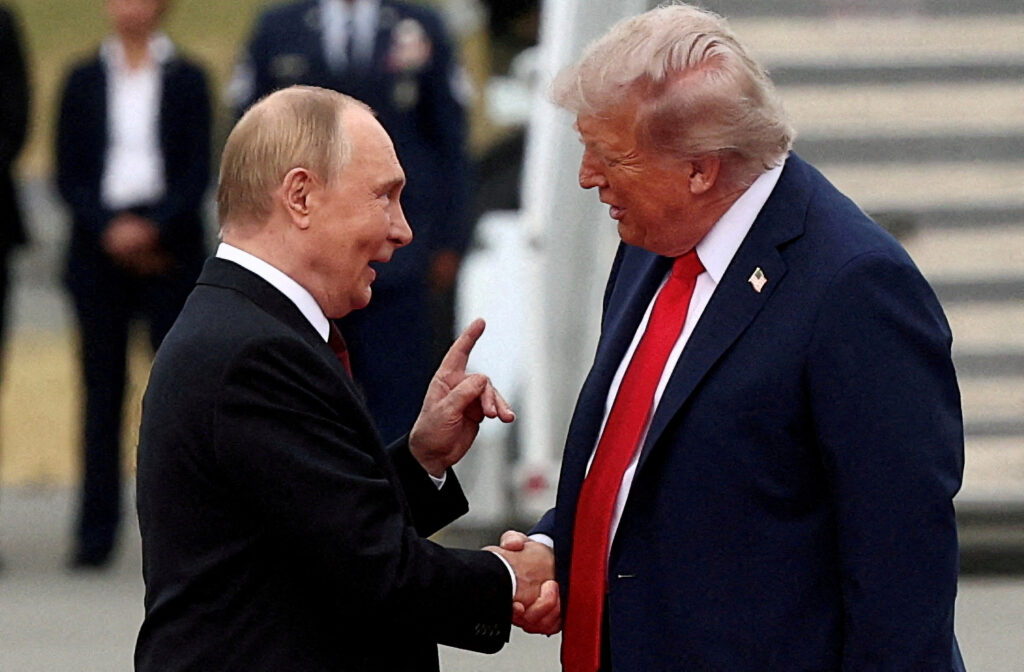
berbagiberkat.com – Geopolitical tensions between the United States and Russia have entered a new phase after Washington increased pressure on countries seen as close partners of Moscow. The move has drawn a swift response from the Russian government, which issued a direct warning, signaling that further actions targeting its allies could escalate regional and global instability.
In recent developments, the United States has intensified diplomatic, economic, and strategic engagement aimed at limiting Russia’s influence abroad. This approach includes stronger political messaging, expanded military cooperation with neighboring states, and renewed sanctions pressure on entities linked to Russia’s global network. While US officials describe these steps as necessary to uphold international security and deter aggression, Moscow views them as deliberate provocations designed to weaken its strategic position.
Russia’s response was firm and unambiguous. Senior officials warned that actions targeting its allies would be interpreted as hostile interference. Moscow emphasized that partnerships built over years of political, military, and economic cooperation cannot be undermined without consequences. The warning reflects Russia’s long-standing position that external pressure on its allies threatens regional balance and violates principles of sovereignty.
Countries aligned with Russia occupy key roles in global energy markets, security alliances, and regional power structures. As the United States seeks to counter Moscow’s influence, these nations increasingly find themselves caught between competing global powers. For some, the pressure creates difficult diplomatic choices, while for others it reinforces their strategic alignment with Russia as a counterweight to Western dominance.
Analysts note that the situation highlights a broader shift in international relations, where competition between major powers extends beyond direct confrontation and into spheres of influence. Economic sanctions, military cooperation agreements, and political signaling have become tools of strategic rivalry. In this environment, smaller and mid-sized nations often bear the consequences of decisions made by global powers.
Moscow’s warning also underscores concerns about miscalculation. Russia has repeatedly stated that continued pressure on its allies could prompt stronger defensive measures, including deeper military cooperation and expanded economic partnerships outside Western systems. Such developments could further fragment the global order and complicate efforts to maintain stability.
From Washington’s perspective, engaging Russia’s allies is part of a broader strategy to reinforce international norms and discourage actions viewed as destabilizing. US officials argue that cooperation with partner nations is voluntary and based on shared interests. However, Russia rejects this narrative, insisting that such engagement is driven by coercion rather than genuine partnership.
As tensions rise, diplomatic channels remain critical. Both sides have acknowledged the risks of escalation, yet neither appears willing to significantly alter its approach. The current standoff illustrates the fragile state of global diplomacy, where strategic competition increasingly shapes international behavior.
The unfolding situation serves as a reminder that actions taken toward allies can have far-reaching consequences. As the United States and Russia continue to test each other’s limits, the response of their respective partners may ultimately determine whether confrontation intensifies or dialogue regains priority in global affairs.